
Timber Decking in Tweed Heads
Based in Grafton, servicing Tweed Heads
Talk to The Team
Contact Us
Providing Quality Decking Timber
Marshall Notaras Hardwoods brings over 70 years of hardwood expertise to decking projects across Tweed Heads and the wider border region. As a family-owned supplier established in 1952, we've built our reputation on understanding what timber genuinely needs to perform well in this part of the country, particularly given the area's warm, humid climate and coastal proximity.
We stock naturally dense hardwood species that resist moisture, warping and premature wear, making them well suited to outdoor use in Tweed Heads' subtropical conditions. Homeowners renovating a coastal property and builders working on new residential or commercial developments both turn to us for reliable, high-quality timber.
All our boards are milled to Australian Standards, giving you peace of mind on strength and consistency. We support tradespeople across the region with dependable stock levels, so project timelines aren't left waiting. Locals appreciate that we combine decades of genuine timber knowledge with honest, no-nonsense advice.
If you're planning a timber decking project in Tweed Heads, we'd love to help. Call us today on
(02) 6642 3477.
Extensive Timber Range
Choose from flooring, decking, cladding, structural hardwood and more—cut to spec and ready to ship Australia-wide.
Eco-Focused Sourcing
All timber is responsibly harvested and processed with minimal waste, supporting long-term environmental sustainability.
Nationwide Delivery Network
No matter your project size or location, we deliver reliable Australian hardwood when and where you need it.
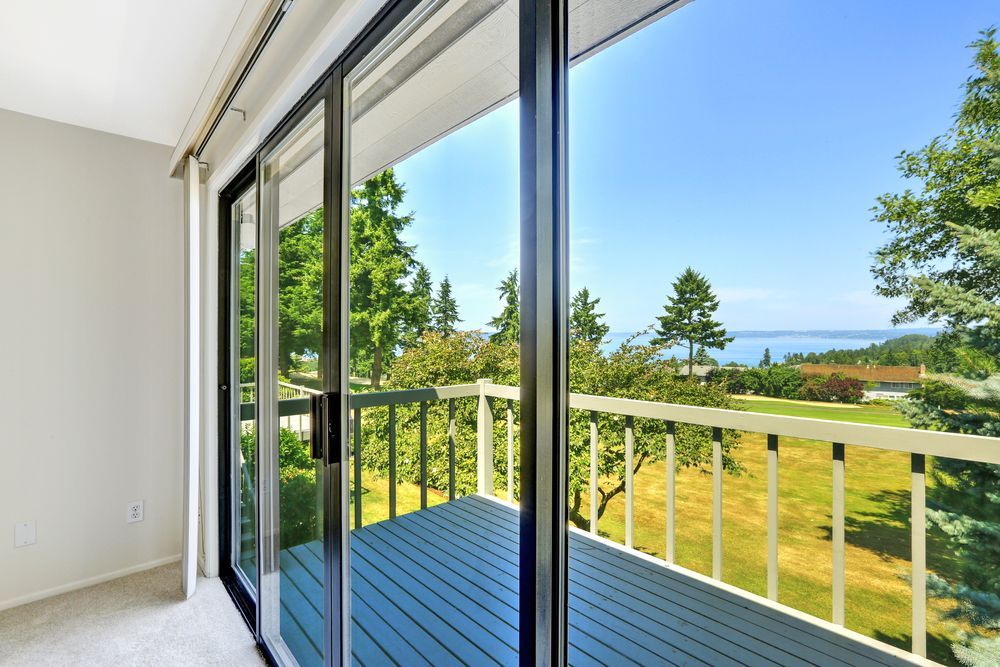
Decking Designed for Your Lifestyle
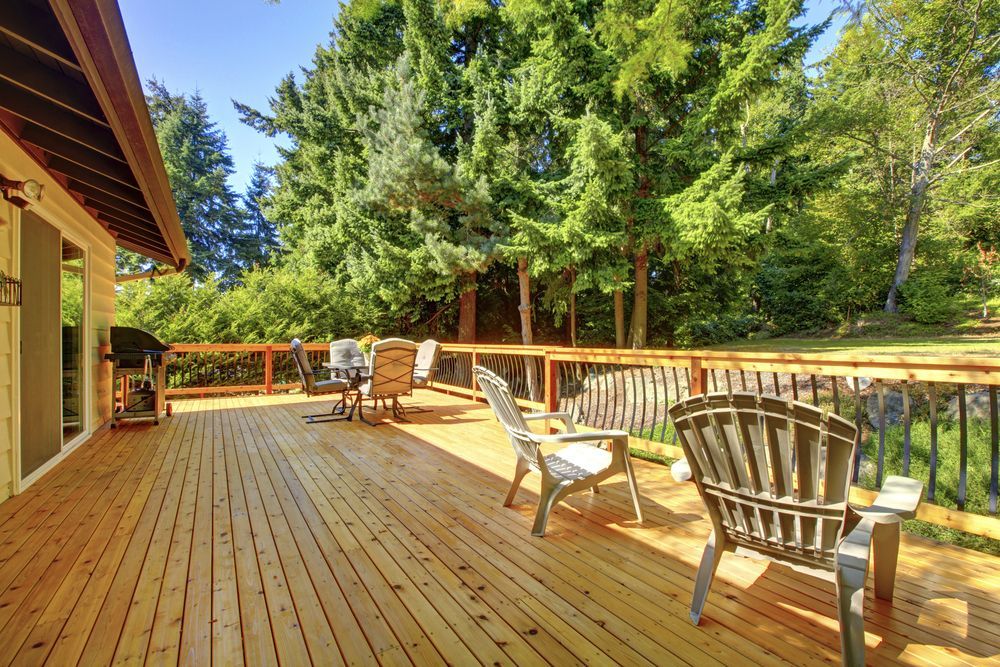
Tweed Heads sits right on the border between two states and two climates that share plenty in common, particularly when it comes to humidity, rainfall and coastal exposure affecting outdoor timber. We supply hardwood species like Spotted Gum, Blackbutt and Merbau, each offering strong resistance to moisture and decay while bringing a natural warmth that suits the relaxed, outdoor-focused lifestyle common throughout the area.
Our team is on hand to explain the practical differences between species, covering everything from colour and grain to expected maintenance over the years ahead. With a well-established network of stockists and agents, we're able to supply decking reliably for projects of any size, from a single residential deck to larger multi-unit developments.
Many of our Tweed Heads customers are creating outdoor entertaining areas or poolside decks intended to handle regular use in a warm, humid climate. We also work alongside local builders delivering multiple properties, ensuring consistent supply and quality across every stage of a project.
If you're weighing up decking options for a Tweed Heads build, we're happy to help you find something built to last.
Enquire Today in Tweed Heads
Contact Us
Our Contact Details
T. 02 6642 3477
ABN: 33 659 642 903
ABN: 90 000 308 789
2018 and 2019 Winner – Excellence in Trades & Manufacturing – Clarence Valley Business Excellence Awards


Frequently Asked Questions
Is composite decking better than timber decking?
Composite decking and timber decking each have their own advantages, so which is 'better' really depends on priorities like appearance, maintenance and budget. Timber decking offers a natural look and feel that many homeowners prefer, along with the ability to be sanded and refinished over time, though it does require regular oiling or sealing to maintain its condition.
Composite decking generally requires less ongoing maintenance and can be more resistant to fading and splintering, but it often costs more upfront and can retain more heat in direct sunlight than natural timber. Ultimately, the right choice comes down to how much maintenance a homeowner is willing to commit to versus the natural aesthetic and characteristics timber provides.
How do you prevent mould and mildew on timber decking?
Preventing mould and mildew on timber decking largely comes down to managing moisture and ensuring adequate airflow both above and beneath the boards. Regularly sweeping away leaves, dirt and organic debris helps stop the buildup of the damp material that mould thrives on, particularly in shaded or poorly ventilated areas.
Applying a quality decking oil or sealant creates a protective barrier that reduces moisture absorption into the timber, making it harder for mould spores to take hold. In persistently damp or shaded areas, periodic cleaning with a timber-safe mould treatment, alongside trimming back overhanging vegetation to improve sunlight and airflow, can significantly reduce recurring issues.
What size joists are needed for timber decking?
The size of joists required for timber decking depends on factors including the span between supports, the spacing of the joists themselves and the species and thickness of the decking boards being used. As a general guide, joists are commonly sized at 90mm x 45mm or 140mm x 45mm, with larger dimensions used for longer spans or heavier expected loads.
Joist spacing typically ranges between 450mm and 600mm centres, with closer spacing required for thinner decking boards or areas expecting higher foot traffic. It's important to check span tables or consult a professional to ensure joist sizing meets structural requirements and relevant building standards for the specific project.
How do you stop timber decking from going grey?
Timber decking naturally turns grey over time due to prolonged UV exposure, breaking down the lignin in the wood's surface fibres, but this process can be slowed significantly with regular maintenance. Applying a UV-stabilised decking oil or stain on a consistent basis, generally every six to twelve months, helps protect the timber's natural colour and slows the greying process.
Choosing a product specifically formulated to block UV rays will generally offer better colour retention than a basic oil without added protection. If greying has already occurred, sanding back the affected surface layer and reapplying a protective finish can often restore much of the timber's original colour.