
Timber Decking in Tamworth
Based in Grafton, servicing Tamworth
Talk to The Team
Contact Us
Timber for Rural & Suburban Properties
For families and builders across Tamworth, Marshall Notaras Hardwoods offers a straightforward way to source quality hardwood decking without compromising on strength or finish. We've been supplying Australian timber since 1952, and that history means we understand which species genuinely perform in the New England region's inland climate.
Hot, dry summers and cold winters both take their toll on outdoor timber, so we stock dense hardwoods that resist warping and hold up over decades. Our decking suits everything from acreage properties on the outskirts of town to compact suburban blocks closer to the CBD. We supply builders working on new home construction as well as homeowners planning a weekend renovation project, and we're happy to help either work out exactly what they need.
All our boards are milled to Australian Standards, so quality and consistency are never in question. Tamworth locals often come to us because we take the time to explain species differences rather than just pushing whatever's in stock. We also support trade professionals across the wider region with reliable supply and competitive turnaround.
Get in touch on
(02) 6642 3477 and let's talk through your timber decking project.
Extensive Timber Range
Choose from flooring, decking, cladding, structural hardwood and more—cut to spec and ready to ship Australia-wide.
Eco-Focused Sourcing
All timber is responsibly harvested and processed with minimal waste, supporting long-term environmental sustainability.
Nationwide Delivery Network
No matter your project size or location, we deliver reliable Australian hardwood when and where you need it.
What Sets Our Decking Supply Apart
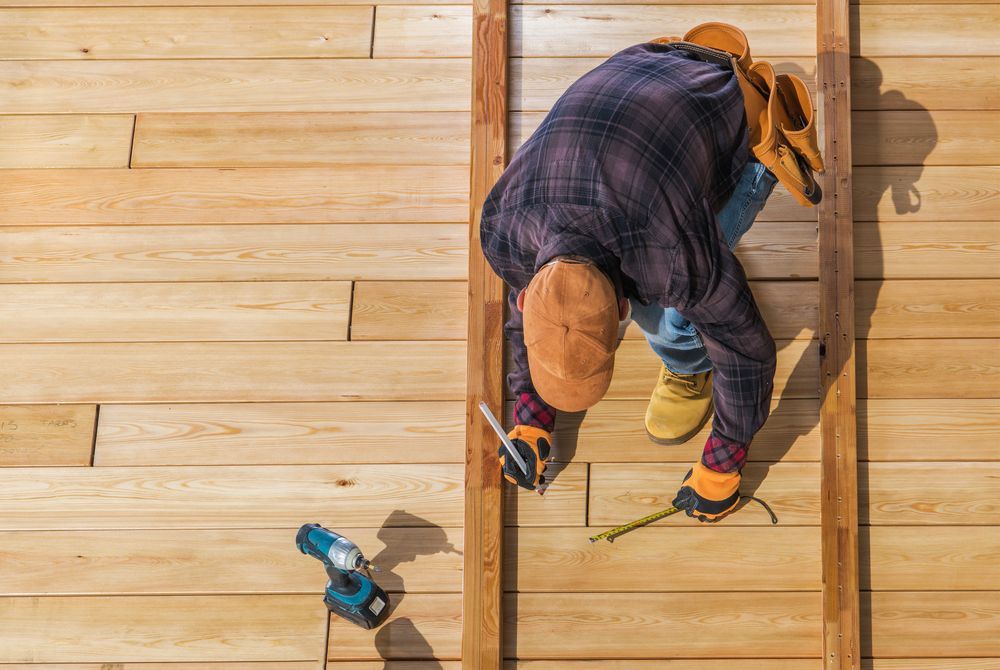
Sourcing decking timber for a Tamworth build isn't just about picking a board that looks good – it's about choosing a species that will genuinely last through the region's temperature extremes. We stock a solid range of hardwoods known for their density and stability, which helps prevent the cupping and splitting that inland climates can cause.
Our team talks customers through the practical differences between species like Spotted Gum, Blackbutt and Ironbark, covering everything from colour and grain to long-term maintenance requirements. Because we've built relationships with agents and stockists, we can get decking timber out to Tamworth reliably, whether it's a small residential job or a larger commercial build. We also supply a variety of board widths and custom-milled finishes, giving builders flexibility to match existing structures or design something entirely new.
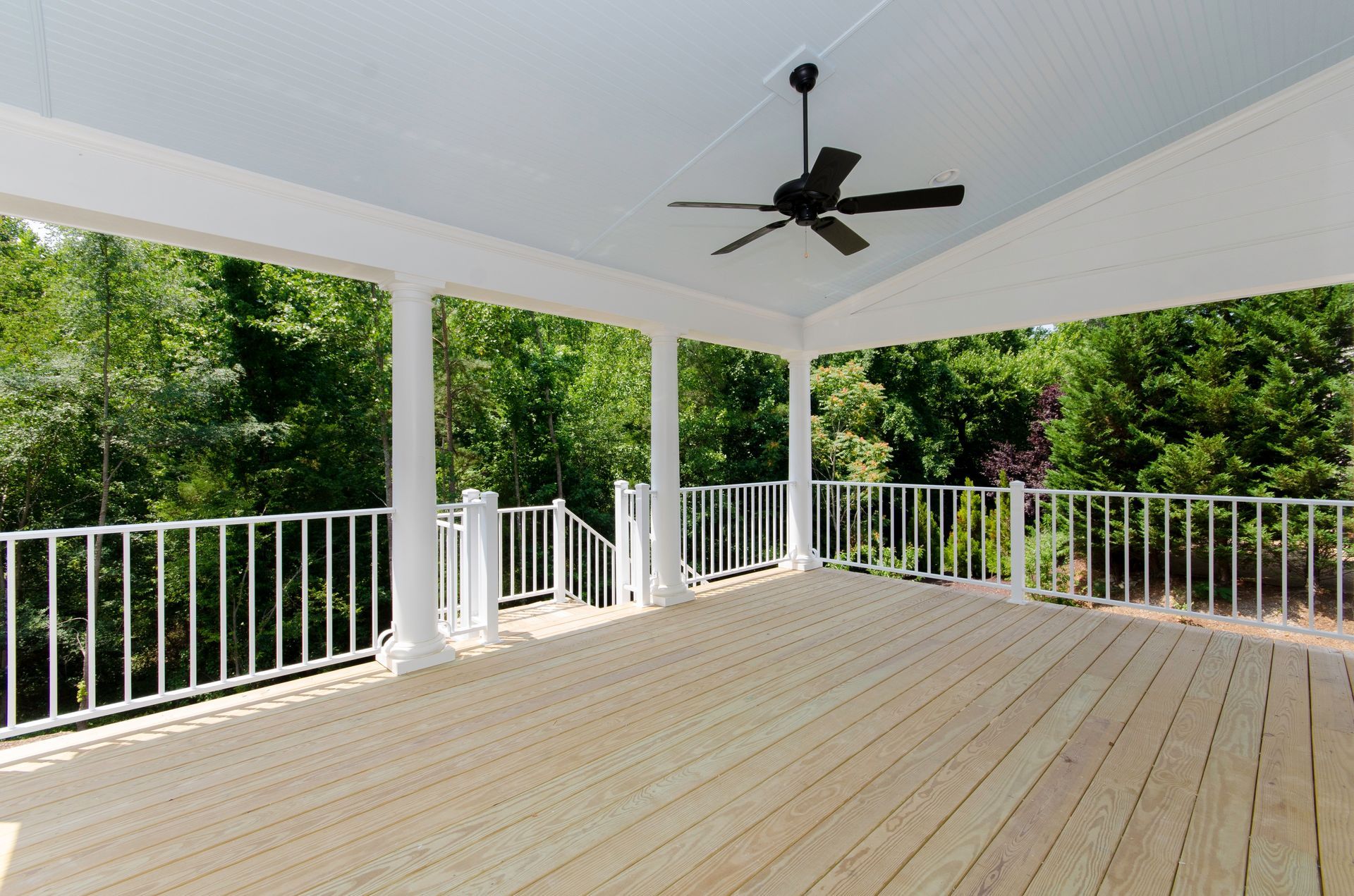
Having supplied timber to the region for decades, we understand the practicalities that come with rural and semi-rural builds, including exposure and substructure considerations. We're also happy to work alongside trade professionals delivering multiple projects, ensuring consistent quality across every board supplied. If you're planning a decking project in Tamworth, we can help you find timber that's genuinely built for the conditions here.
Enquire Today in Tamworth
Contact Us
Our Contact Details
T. 02 6642 3477
ABN: 33 659 642 903
ABN: 90 000 308 789
2018 and 2019 Winner – Excellence in Trades & Manufacturing – Clarence Valley Business Excellence Awards


Frequently Asked Questions
Can timber decking be installed over an existing concrete slab?
Yes, timber decking can be installed over an existing concrete slab, provided the slab is structurally sound, level and has adequate drainage to prevent water pooling underneath. This is typically done by fixing timber battens or a subframe to the concrete first, which allows the decking boards to be laid with proper airflow beneath them.
Airflow is important because it helps prevent moisture build-up that can lead to rot or mould over time. It's worth having a professional assess the slab's condition and drainage before installation to avoid problems down the track.
What thickness should decking boards be?
Standard hardwood decking boards are typically available in thicknesses of 19mm or 22mm, with the appropriate choice depending on the spacing of the joists underneath and the expected foot traffic. Thicker boards generally allow for wider joist spacing, which can reduce the amount of substructure timber needed, while thinner boards require closer joist spacing for adequate support.
Commercial or high-traffic areas may call for a thicker board to ensure long-term durability and reduce the risk of flexing or bowing. A supplier or builder can help determine the right thickness based on the specific structural requirements of the project.
How do you stop timber decking from splintering?
Splintering in timber decking is usually caused by prolonged sun exposure, moisture damage or a lack of regular maintenance, and it can be minimised with proper care. Applying a quality decking oil or sealant on a regular basis, generally every 6 to 12 months, helps keep the timber's surface fibres protected and less prone to lifting.
Light sanding of any rough or raised areas before resealing can also help smooth the surface and reduce splinter risk. Choosing a naturally dense hardwood species from the outset will generally result in a more splinter-resistant deck over its lifetime.
Is timber decking a good option near a swimming pool?
Timber decking can be a great option around a pool, offering a natural, slip-resistant surface that stays cooler underfoot than materials like concrete or stone in direct sun. However, it's important to choose a hardwood species that copes well with constant moisture exposure and chlorine or salt splash, as this environment can be more demanding than a standard outdoor deck.
Regular maintenance, including oiling and prompt drying after heavy use, becomes even more important in a pool setting. Adequate spacing between boards is also recommended to allow proper drainage and airflow, reducing the risk of moisture-related damage over time.