
Timber Decking in Melbourne
Based in Grafton, servicing Melbourne
Talk to The Team
Contact Us
Hardwood Decking for Changing Weather
Marshall Notaras Hardwoods supplies quality Australian hardwood decking to homeowners and builders across Melbourne, backed by more than 70 years of timber industry experience. We understand Melbourne's changeable weather, from hot, dry summer days to cold, wet winters, and that variability puts real demands on outdoor timber. That's why we stock naturally dense hardwood species chosen for their stability and resistance to the expansion, contraction and moisture movement that comes with shifting seasons.
Whether you're renovating a period home in the inner suburbs or building new further out, we've got decking suited to the job. Our boards are milled to Australian Standards, so structural integrity is never in question. We supply trade professionals delivering projects across Greater Melbourne as well as homeowners planning a single deck for their backyard.
Melbourne customers choose us because we combine decades of genuine hardwood expertise with straightforward, practical advice rather than a sales pitch. As a family-owned business with a strong national supply network, we deliver reliably no matter where in Melbourne your project is located.
Give our team a call on
(02) 6642 3477 to discuss timber decking options for your Melbourne build.
Extensive Timber Range
Choose from flooring, decking, cladding, structural hardwood and more—cut to spec and ready to ship Australia-wide.
Eco-Focused Sourcing
All timber is responsibly harvested and processed with minimal waste, supporting long-term environmental sustainability.
Nationwide Delivery Network
No matter your project size or location, we deliver reliable Australian hardwood when and where you need it.
Decking That Handles Every Season
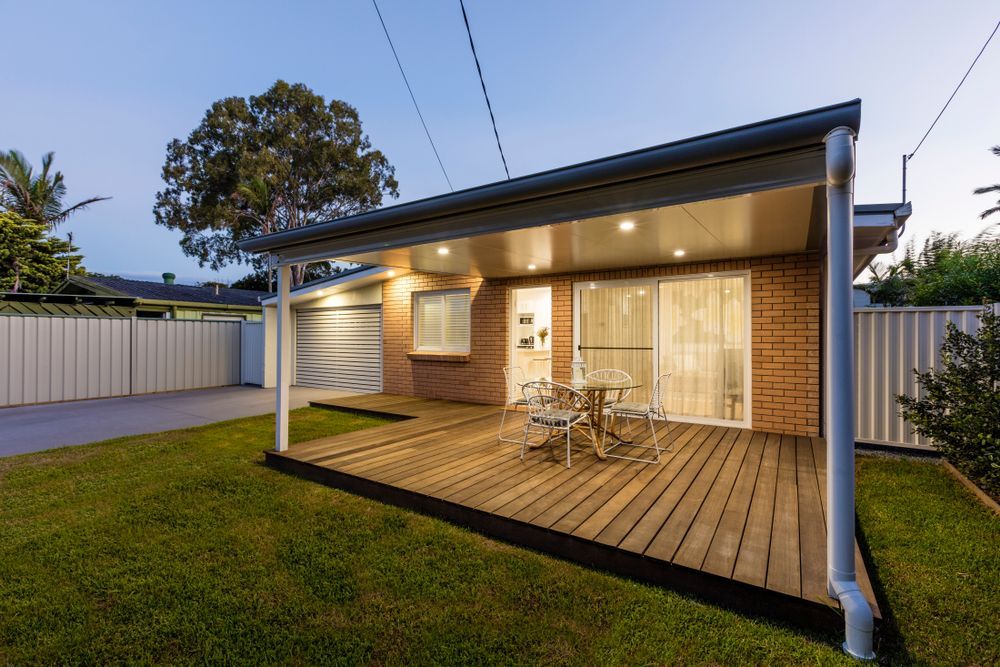
Melbourne's reputation for unpredictable weather means decking timber needs to cope with rapid shifts between heat, rain and cold, sometimes all in the same day. We supply hardwood species like Spotted Gum, Blackbutt and Ironbark, each valued for their density and ability to resist the warping and splitting that can result from constant temperature and moisture changes.
Our team talks customers through the practical trade-offs between these species, covering appearance, durability and how much upkeep each option requires over time. With an established stockist and agent network, we can supply decking reliably across metropolitan Melbourne, whether it's a modest inner-city courtyard deck or a larger suburban build.
Many of our Melbourne customers are creating outdoor entertaining spaces designed to be used across all seasons, not just during summer. We also support builders managing multiple projects at once, ensuring consistent quality and availability throughout.
Having supplied timber into variable climates for decades, we understand the small design and material choices that help decking perform better through Melbourne's shifting conditions. If you're planning a decking project in Melbourne, we're happy to help you choose timber that will genuinely stand the test of time.
Enquire Today in Melbourne
Contact Us
Our Contact Details
T. 02 6642 3477
ABN: 33 659 642 903
ABN: 90 000 308 789
2018 and 2019 Winner – Excellence in Trades & Manufacturing – Clarence Valley Business Excellence Awards


Frequently Asked Questions
How does timber decking handle extreme temperature changes?
Timber decking can be affected by extreme or rapid temperature changes, as the material naturally expands and contracts in response to heat, cold and moisture levels. Dense hardwood species tend to handle these fluctuations better than softer timbers, as their tighter grain structure makes them more dimensionally stable over time. Proper installation, including adequate spacing between boards, helps accommodate this natural movement without causing boards to bind, buckle or crack under pressure.
Choosing well-seasoned, properly dried timber from the outset also reduces the likelihood of significant movement once the deck is exposed to changing outdoor conditions.
Should decking be sealed before or after installation?
Timber decking is generally recommended to be sealed after installation, once the boards have had time to acclimatise to their new environment and any final cuts or adjustments have been made. Sealing after installation ensures that cut edges, screw holes and joints are properly coated, reducing the risk of moisture penetrating through these vulnerable points.
However, some installers choose to apply an initial coat to the underside of boards before installation to provide extra protection against ground moisture, particularly in damper climates. Following the manufacturer's specific recommendations for the chosen oil or sealant product will generally give the best long-term results regardless of timing.
What is the difference between merbau and spotted gum decking?
Merbau and Spotted Gum are both popular hardwood decking options, but they differ in appearance, cost and specific performance characteristics. Merbau typically has a rich, reddish-brown colour and is often more budget-friendly, though it can leach tannins when new, particularly during the first few rain events after installation.
Spotted Gum tends to have a lighter, more varied grain with tones ranging from pale gold to deep brown, and is generally regarded as one of the more premium and structurally reliable hardwood decking options. Both species offer good durability and resistance to the elements, so the choice often comes down to budget, desired appearance and specific project requirements.
Can timber decking be installed in winter?
Yes, timber decking can be installed during winter, though there are a few additional considerations compared to installing in warmer months. Colder, wetter conditions can extend drying and curing times for any oils or sealants applied after installation, so scheduling around forecasted dry periods is important for achieving a good finish. Timber may also have slightly higher moisture content during winter months, so allowing adequate acclimatisation time before fixing boards can help reduce movement once the weather warms up again.
With the right planning around weather conditions and product application, winter installation shouldn't compromise the long-term quality or performance of a timber deck.