Timber Decking in Lismore
Based in Grafton, servicing Lismore
Talk to The Team
Contact Us
Hardwood Decking for Northern Rivers Living
Since 1952, Marshall Notaras Hardwoods has supplied Australian hardwood to homes and businesses across the Northern Rivers, and Lismore has long been part of that story. We understand the region's subtropical climate brings genuine challenges, from high humidity to heavy seasonal rainfall, and we stock decking timber chosen specifically to cope with those conditions.
Our hardwood species are naturally dense and durable, standing up well to moisture without the warping or premature decay that lesser timbers can suffer. Whether you're rebuilding after weather damage, extending an outdoor living space or starting a fresh build, we've got decking suited to the job.
We work with builders and contractors delivering projects across Lismore and the wider region, as well as homeowners tackling their own renovations. Every board leaves us milled to Australian Standards, so there's no compromise on strength or consistency. Locals choose us because we back genuine timber knowledge with straightforward, practical advice rather than a sales pitch.
As a long-established, family-owned supplier, we take pride in supporting the communities we've served for generations. Reach out to our team on
(02) 6642 3477 to talk through timber decking options for your Lismore project.
Extensive Timber Range
Choose from flooring, decking, cladding, structural hardwood and more—cut to spec and ready to ship Australia-wide.
Eco-Focused Sourcing
All timber is responsibly harvested and processed with minimal waste, supporting long-term environmental sustainability.
Nationwide Delivery Network
No matter your project size or location, we deliver reliable Australian hardwood when and where you need it.
Decking Chosen for Resilience & Longevity
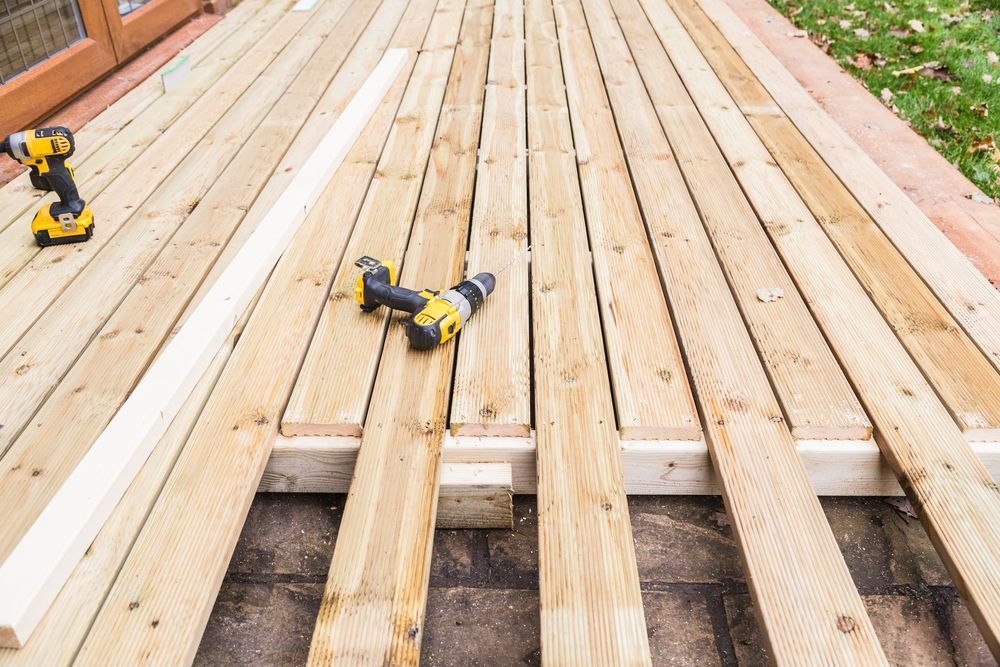
Lismore's climate, with its combination of humidity, heavy rain and periods of flooding, means decking timber needs to be chosen with resilience in mind. We stock dense hardwood species like Spotted Gum, Blackbutt and Ironbark, all known for their natural resistance to moisture, rot and general wear over time. Our team talks customers through which species and finishes suit their specific project, factoring in exposure, expected use and long-term maintenance requirements.
Because we've supplied timber to this region for decades, we understand the practical realities builders and homeowners face here better than a supplier without that local history. Our stockist and agent network means we can source and deliver hardwood decking reliably, even for larger or time-sensitive projects.
Many of our customers are rebuilding or upgrading outdoor spaces after previous weather events, and we take that seriously when recommending timber built to last. We also supply a range of board widths and finishes, giving flexibility whether you're matching an existing structure or designing something new.
Beyond the product itself, we're happy to offer guidance on substructure considerations that help decking perform better in flood-prone or high-moisture settings.
Enquire Today in Lismore
Contact Us
Our Contact Details
T. 02 6642 3477
ABN: 33 659 642 903
ABN: 90 000 308 789
2018 and 2019 Winner – Excellence in Trades & Manufacturing – Clarence Valley Business Excellence Awards


Frequently Asked Questions
What is the best decking timber for flood-prone areas?
Dense, naturally durable hardwood species such as Spotted Gum, Ironbark and Merbau are generally considered better suited to flood-prone areas because they resist moisture absorption and are less likely to warp, swell or rot after exposure to water. These species also tend to dry out more evenly than softer timbers, reducing the risk of long-term structural damage following a flood event.
Proper substructure design, including adequate ventilation and drainage beneath the deck, plays an equally important role in how well timber decking recovers after water exposure. Choosing corrosion-resistant fixings is also recommended, as flooding can accelerate rust and deterioration in standard fittings.
How do you clean timber decking after a flood?
Cleaning timber decking after a flood typically starts with removing debris, silt and mud using a stiff broom or low-pressure hose, taking care not to damage the timber's surface. Once the visible debris is cleared, a mild detergent and water solution can help remove residual grime, followed by thorough rinsing to prevent soap build-up.
Allowing the deck to dry completely before applying any oil or sealant is important, as trapping moisture beneath a fresh coating can lead to mould or further timber damage. In cases of significant water exposure, it's worth inspecting the substructure and fixings for damage before returning the deck to regular use.
How much does it cost to replace timber decking?
The cost of replacing timber decking varies depending on the size of the area, the species chosen and whether the existing substructure can be reused or needs replacing as well. Material costs for hardwood decking typically range from around $60 to $150 per square metre, with labour adding a further cost depending on complexity and site access.
Replacing just the decking boards while retaining a sound substructure is generally more affordable than a full rebuild from the ground up. Getting a detailed quote that separates material and labour costs can help homeowners budget accurately for a partial or full deck replacement.
Does timber decking need to be replaced after water damage?
Not always – whether timber decking needs full replacement after water damage depends on the extent and duration of the exposure, as well as the condition of the timber beforehand. Boards that have only been briefly saturated and are structurally sound can often be dried out, cleaned and resealed without replacement, provided there's no significant rot or insect damage present.
However, prolonged submersion, visible warping, soft or spongy timber or signs of fungal growth generally indicate that affected boards need to be replaced to maintain safety and structural integrity. A thorough inspection, ideally by a professional, is the best way to determine whether repair or replacement is the right approach following water damage.