Timber Decking in Coffs Harbour
Based in Grafton, servicing Coffs Harbour
Talk to The Team
Contact Us
Reliable Hardwood Decking
Coffs Harbour homeowners and builders don't have to look far for quality decking timber, with Marshall Notaras Hardwoods supplying the region from our South Grafton base for over 70 years.
As a family-owned business with deep timber industry roots, we know what coastal properties along the Coffs Coast need from their decking. Sea air, humidity and strong UV exposure all put pressure on timber, so we stock dense, naturally durable hardwood species suited to these conditions. Our range covers everything from beachside holiday homes to established residential streets further inland.
Builders rely on us for consistent stock milled to Australian Standards, while homeowners appreciate straightforward advice without the jargon. Being based just up the road in South Grafton means we understand the practical realities of building on this stretch of coast. Our reputation, including back-to-back Clarence Valley Business Excellence Awards, reflects decades of consistent quality.
Ready to talk timber decking for your Coffs Harbour project? Call us on
(02) 6642 3477.
Extensive Timber Range
Choose from flooring, decking, cladding, structural hardwood and more—cut to spec and ready to ship Australia-wide.
Eco-Focused Sourcing
All timber is responsibly harvested and processed with minimal waste, supporting long-term environmental sustainability.
Nationwide Delivery Network
No matter your project size or location, we deliver reliable Australian hardwood when and where you need it.
Timber That Works With the Environment
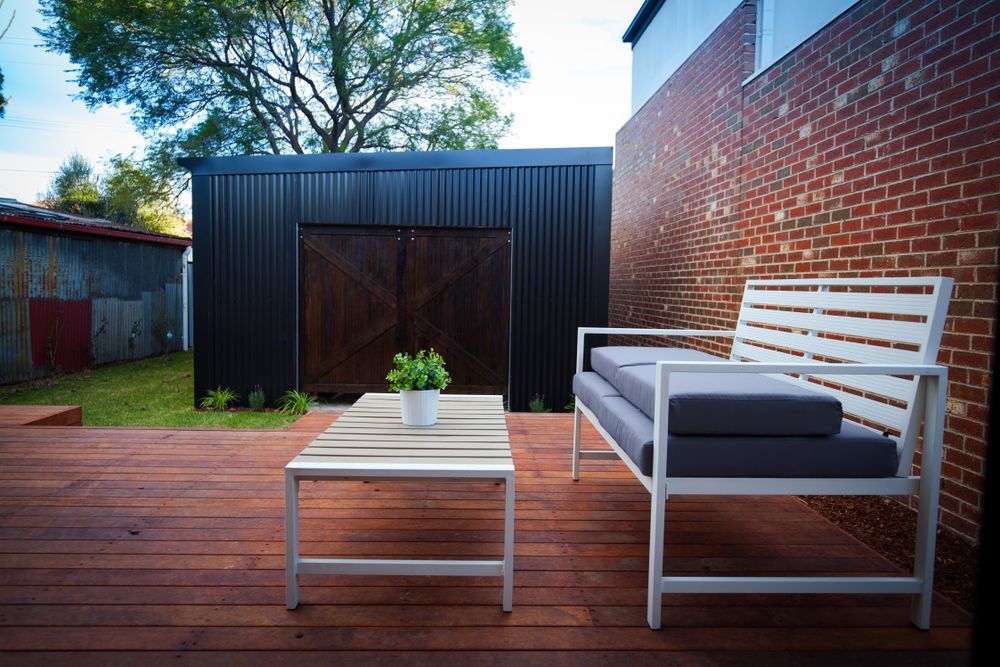
Building a deck in Coffs Harbour comes with its own considerations, particularly around moisture, salt exposure and the region's warm, humid climate. We supply hardwood species like Spotted Gum and Blackbutt, both known for performing well in coastal environments while offering a natural, warm finish that suits the area's relaxed character.
We take time to walk customers through the practical differences between species, covering durability, colour and ongoing maintenance needs. With decades of experience in the region, we understand how proximity to the coast can affect timber performance even within a short distance, and we factor that into our recommendations. Our network of stockists and agents means we can supply decking reliably for projects of any scale.
Many Coffs Harbour customers are creating outdoor living spaces designed to make the most of the coastal lifestyle, and we help source timber that matches that vision without compromising on performance. We also support local builders with consistent supply, so project timelines aren't held up waiting on stock. If you're weighing up decking options, we're happy to talk through what will genuinely hold up best.
Enquire Today in Coffs Harbour
Contact Us
Our Contact Details
T. 02 6642 3477
ABN: 33 659 642 903
ABN: 90 000 308 789
2018 and 2019 Winner – Excellence in Trades & Manufacturing – Clarence Valley Business Excellence Awards


Frequently Asked Questions
Is timber decking suitable for coastal areas?
Yes, timber decking can perform very well in coastal areas, provided the right species is chosen and it's properly maintained. Dense hardwoods like Spotted Gum, Merbau and Ironbark are commonly used in coastal settings because they naturally resist moisture absorption and are less prone to warping or splitting from salt exposure.
Regular oiling or sealing is particularly important in coastal environments, as salt air can accelerate the breakdown of protective coatings compared to inland areas. Choosing corrosion-resistant fixings, such as stainless steel screws or nails, is also recommended to prevent rust staining and structural issues near the coast.
How often should coastal timber decking be oiled?
Timber decking in coastal locations generally benefits from more frequent oiling than decking further inland, often every six months rather than the standard annual application. This is because salt air, higher humidity and stronger UV exposure can break down protective coatings more quickly, leaving the timber vulnerable to moisture damage and greying.
Checking the deck periodically for signs of dryness, fading or water absorption can help determine if it's due for a fresh coat sooner than expected. Using a marine-grade or UV-stabilised decking oil can also help extend the time between applications in harsher coastal conditions.
What causes timber decking to warp or cup?
Warping and cupping in timber decking usually occur when there's uneven moisture absorption between the top and bottom of a board, causing it to swell or shrink unevenly. This can happen when decking is exposed to heavy rain or humidity without adequate sealing, or when there's insufficient airflow underneath the boards due to poor substructure design.
Using well-seasoned, properly dried timber from the outset significantly reduces the risk of this happening, as does ensuring boards are fixed correctly with appropriate gaps for natural movement. Regular maintenance, including sealing both the top and underside of boards where possible, also helps minimise moisture-related warping over time.
How much space should be left between decking boards?
A gap of around 3 to 5 millimetres is typically recommended between hardwood decking boards to allow for natural expansion and contraction as the timber responds to changes in temperature and humidity. This spacing also helps with drainage, allowing water to run through rather than pooling on the surface, which can lead to staining or rot over time.
The exact gap can vary slightly depending on the timber species and how dry the boards are at the time of installation, since some swelling is expected once boards are exposed to outdoor moisture. A qualified installer will typically adjust spacing based on the specific board and local climate to ensure the best long-term result.