
Timber Decking in Sydney
Based in Grafton, servicing Sydney
Talk to The Team
Contact Us
Hardwood Decking for Homes
From heritage terraces to contemporary new builds, Marshall Notaras Hardwoods supplies quality timber decking to homeowners and builders right across Sydney. We've been in the timber industry since 1952, and that long history means we understand exactly what decking timber needs to perform well in Sydney's varied climate, from coastal humidity to inland heat.
Our range includes dense, naturally durable hardwood species chosen for their resistance to moisture, UV exposure and everyday wear and tear. Whether you're extending a terrace in the inner suburbs, building new in the outer west or fitting out a coastal property in the east, we've got timber suited to your project. Every board is milled to Australian Standards, so quality and structural performance are guaranteed.
We supply trade professionals managing large-scale developments as well as homeowners planning a single deck, always with the same level of care. Sydney customers keep coming back to us because we combine genuine timber expertise with honest, no-nonsense advice. As a family-owned business with a strong national supply network, we can deliver reliably no matter where in Sydney your project is based.
Call our team today on
(02) 6642 3477 to talk through decking options.
Extensive Timber Range
Choose from flooring, decking, cladding, structural hardwood and more—cut to spec and ready to ship Australia-wide.
Eco-Focused Sourcing
All timber is responsibly harvested and processed with minimal waste, supporting long-term environmental sustainability.
Nationwide Delivery Network
No matter your project size or location, we deliver reliable Australian hardwood when and where you need it.
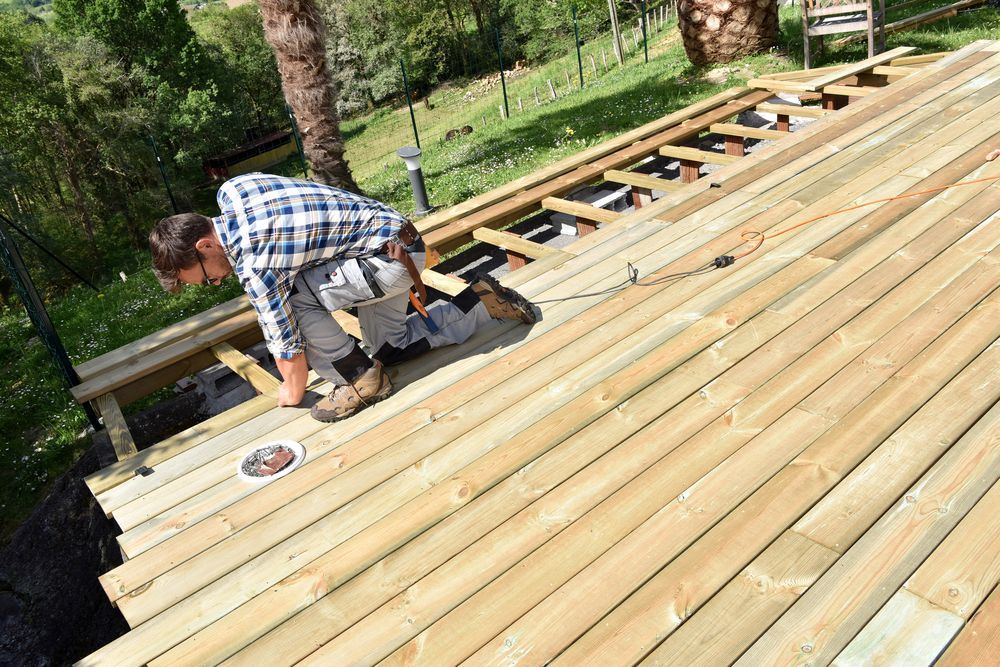
Decking Suited to Varied Conditions
Sydney's size and geographic spread mean decking requirements can differ significantly between an eastern suburbs coastal property and a home out west dealing with hotter, drier conditions. We supply hardwood species including Spotted Gum, Blackbutt and Merbau, each offering different strengths when it comes to moisture resistance, appearance and long-term durability. Our team helps customers navigate these differences, offering practical guidance on which species will genuinely perform best given a property's specific location and exposure.
With an extensive stockist and agent network, we're able to supply decking reliably across the greater Sydney region, regardless of project size or location. Many of our Sydney customers are creating outdoor entertaining spaces or rooftop decks designed to maximise limited outdoor areas in a busy city. We also support builders working across multiple sites simultaneously, ensuring consistent quality and availability throughout each build.
Having supplied timber to Sydney for decades, we understand the particular demands that come with high-density urban development as well as more spacious suburban blocks. If you're planning a decking project anywhere in Sydney, we're happy to help you find timber that's genuinely right for your site.
Enquire Today in Sydney
Contact Us
Our Contact Details
T. 02 6642 3477
A. Sydney, NSW
ABN: 33 659 642 903
ABN: 90 000 308 789
2018 and 2019 Winner – Excellence in Trades & Manufacturing – Clarence Valley Business Excellence Awards


Frequently Asked Questions
What is the best timber decking for small spaces or balconies?
For small spaces and balconies, lighter-weight hardwood decking or engineered decking tiles are often preferred, as they're easier to install without heavy structural modifications while still offering a durable, attractive finish. Species like Spotted Gum or Blackbutt work well in compact areas, as their natural grain and colour can help make a small space feel warmer and more inviting.
Interlocking decking tiles are a popular option for balconies and courtyards, as they can often be installed directly over existing surfaces without extensive substructure work. When decking a small space, it's worth considering board orientation and colour carefully, as these choices can significantly affect how large or open the area feels.
How do you clean and maintain timber decking?
Regular maintenance of timber decking involves sweeping away leaves, dirt and debris to prevent moisture retention and staining, ideally on a weekly or fortnightly basis, depending on surrounding vegetation. Periodic washing with a mild detergent and water, followed by a light scrub if needed, helps remove built-up grime without damaging the timber's surface.
Reapplying a quality decking oil or sealant every six to twelve months protects the timber from UV damage and moisture penetration, which are the main causes of premature wear. It's also worth inspecting the deck periodically for loose fixings, splinters or early signs of rot, addressing any issues promptly before they worsen.
Is timber decking a good investment for resale value?
Timber decking is generally considered a solid investment for resale value, as well-designed outdoor living spaces are highly sought after by buyers, particularly in markets where indoor-outdoor living is a key selling point. A quality hardwood deck can enhance a property's overall appeal and functional living space without the cost of a full home extension.
That said, the actual return on investment depends on factors such as the quality of construction, how well the deck complements the existing home and buyer expectations in the local market. Choosing durable, low-maintenance hardwood species and ensuring the work is completed to a high standard will generally support stronger resale appeal over time.
What council regulations apply to timber decking in urban areas?
Council regulations around timber decking in urban areas typically depend on factors such as the deck's height, its distance from property boundaries and whether it's attached to an existing dwelling. Low-set decks under a certain height threshold can often be built without formal approval in many council areas, while elevated decks or those close to boundaries may require a development application or building approval.
Urban areas with higher density housing may also have additional considerations around overlooking, privacy and shared boundary walls that can affect deck design and placement. It's important to check with the relevant local council early in the planning process, as requirements can vary noticeably between different Sydney council areas.