Timber Decking on the Gold Coast
Based in Grafton, servicing the Gold Coast
Talk to The Team
Contact Us
Decking That Keeps Pace With Growth
As the Gold Coast continues to grow, more homeowners and builders are turning to Marshall Notaras Hardwoods for timber decking that matches the pace and quality of the region's development. We've supplied Australian hardwood since 1952, and that experience means we understand exactly what outdoor timber needs to handle the Gold Coast's warm, humid subtropical climate.
Our decking range features dense, naturally durable hardwood species chosen for their resistance to moisture, UV exposure and everyday wear. Whether you're building a new home in an emerging suburb, upgrading a holiday rental or fitting out a high-end coastal property, we've got timber suited to the job.
We supply both trade professionals managing multiple builds and homeowners working on a single renovation, always with the same commitment to quality. Every board is milled to Australian Standards, so there's never a compromise on strength or consistency.
Gold Coast locals and builders choose us because we back genuine hardwood expertise with straightforward advice, not upselling. As a long-standing family business, we take pride in supporting the communities we supply across the country.
Call us on
(02) 6642 3477 to talk through decking options for your Gold Coast project.
Extensive Timber Range
Choose from flooring, decking, cladding, structural hardwood and more—cut to spec and ready to ship Australia-wide.
Eco-Focused Sourcing
All timber is responsibly harvested and processed with minimal waste, supporting long-term environmental sustainability.
Nationwide Delivery Network
No matter your project size or location, we deliver reliable Australian hardwood when and where you need it.
Decking Built for a Subtropical Lifestyle
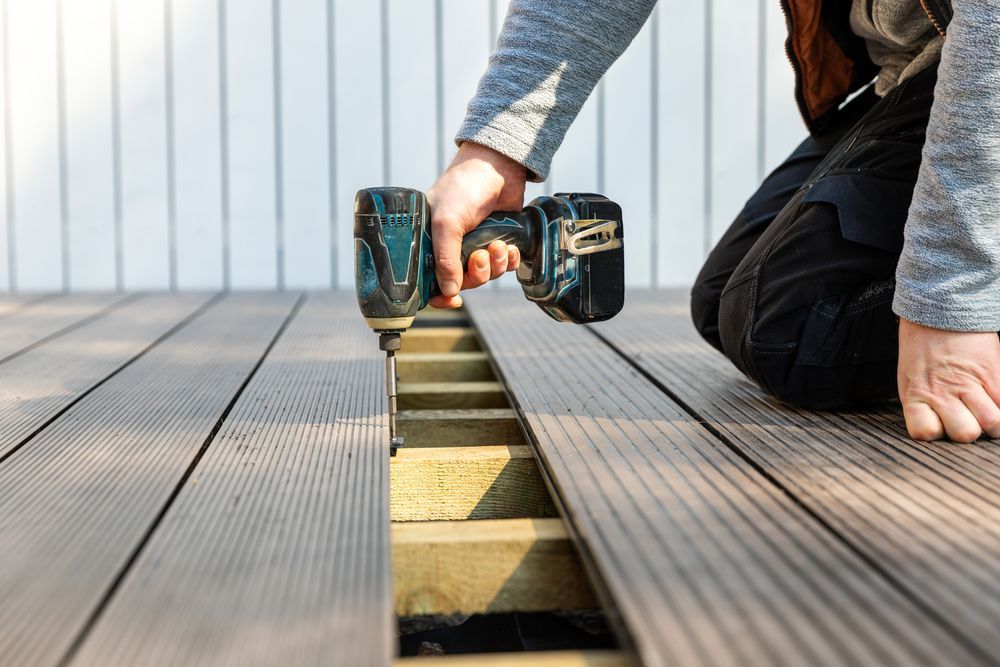
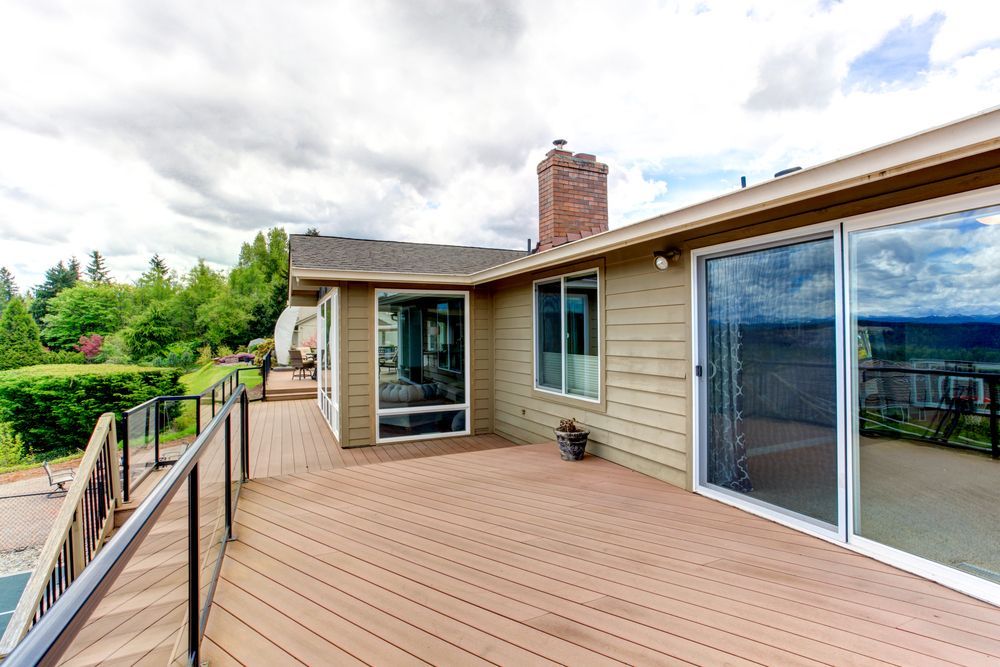
Life on the Gold Coast revolves around outdoor living, and that means decking needs to look great while genuinely standing up to sun, humidity and the occasional storm. We stock hardwood species including Spotted Gum, Blackbutt and Merbau, each known for handling subtropical conditions while offering a natural warmth that suits open-plan, indoor-outdoor homes.
Our team helps customers weigh up the practical differences between species, from durability and colour through to long-term maintenance expectations. With a strong stockist and agent network, we can supply decking reliably, whether it's a single residential deck or a larger multi-property development. Many of our Gold Coast customers are creating alfresco entertaining areas or poolside decks designed to be used year-round in the region's mild climate. We also support builders working across multiple sites simultaneously, ensuring consistent quality and availability throughout each project.
Having supplied timber to fast-growing coastal regions for decades, we understand the demands that come with high-volume residential development. If you're planning a decking project on the Gold Coast, we're happy to help you choose timber that will genuinely perform.
Enquire Today on the Gold Coast
Contact Us
Our Contact Details
T. 02 6642 3477
ABN: 33 659 642 903
ABN: 90 000 308 789
2018 and 2019 Winner – Excellence in Trades & Manufacturing – Clarence Valley Business Excellence Awards


Frequently Asked Questions
What is the most durable timber for decking in a humid climate?
Dense hardwood species such as Spotted Gum, Merbau and Ironbark are among the most durable options for decking in humid climates, thanks to their natural resistance to moisture absorption, rot and insect attack. These species have tight grain structures that make it harder for moisture to penetrate deeply into the timber, reducing the likelihood of warping, cupping or fungal growth over time.
Proper installation, including adequate spacing between boards and good airflow beneath the deck, also plays a significant role in how well any timber performs in humid conditions. Choosing well-seasoned, properly dried timber from a reputable supplier further reduces the risk of movement or damage once the deck is exposed to ongoing humidity.
How much does it cost to build a timber deck?
The cost of building a timber deck varies widely depending on the size, timber species, design complexity and site conditions, but homeowners can generally expect to pay anywhere from $250 to $600 per square metre, including materials and labour. Hardwood decking tends to sit at the higher end of this range compared to softwood options, reflecting its greater durability and longer lifespan.
Additional costs can arise from features like balustrades, multiple levels or extensive substructure work required for sloped or uneven sites. Getting a detailed, itemised quote from a builder is the best way to understand exactly what's included and avoid unexpected costs during construction.
Do you need council approval to build a deck?
Whether council approval is required to build a deck depends on factors such as its height, size, proximity to boundaries and local council regulations, which vary between areas. In many cases, low-set decks under a certain height and floor area can be built without formal approval, provided they meet relevant building standards. However, elevated decks, those attached to a dwelling or decks exceeding specific size thresholds typically require a building approval or development application before construction begins.
It's important to check with the relevant local council or a licensed building certifier early in the planning process to avoid costly changes or compliance issues later on.
What is the best direction to face a deck for sun exposure?
The ideal orientation for a deck depends on how it will be used, but north-facing decks generally receive the most consistent sunlight throughout the day, making them popular for entertaining areas that benefit from natural light and warmth. East-facing decks tend to get pleasant morning sun while staying cooler in the afternoon, which suits homeowners wanting a comfortable space for breakfast or relaxing early in the day.
West-facing decks can become quite hot in the late afternoon due to direct sun exposure, so shading elements like pergolas or shade sails are often recommended in this orientation. South-facing decks typically receive the least direct sunlight, which can be an advantage in particularly hot climates but may require additional lighting or heating for use during cooler months.